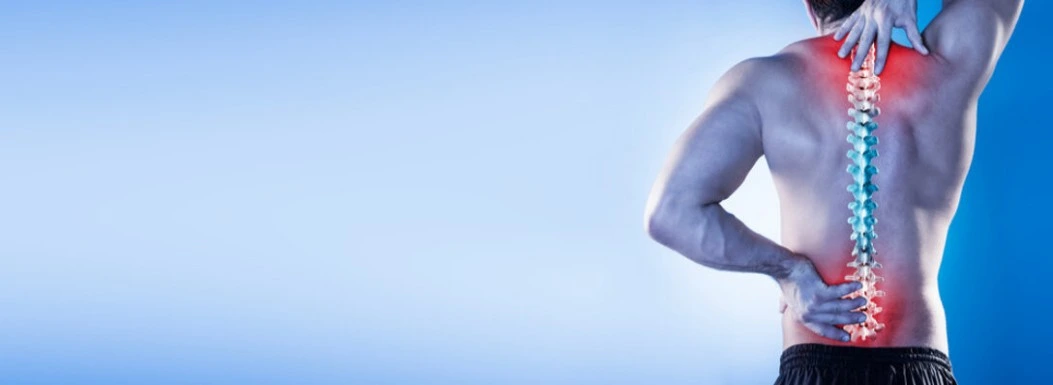
Spine Surgery in Perambur
Understanding Spine Problems and Back Pain
Treatment for Back Pain and Spine Problems
The spine supports body weight, protects the spinal cord, and enables movement. When vertebrae, discs, nerves, or supporting muscles are affected by injury or degeneration, patients may develop pain, stiffness, and nerve-related symptoms.
At Ravi Ortho & Multispecialty Clinic, patients receive structured spine care for slipped disc, nerve compression, spinal stenosis, deformities, and chronic back pain with both non-surgical and surgical options.
Key Aspects of Spine Care
- Detailed evaluation of spine and nerve conditions
- Diagnosis of disc and vertebral problems
- Personalized treatment plans for each patient
- Advanced surgical and non-surgical spine care
- Rehabilitation guidance for recovery
Signs That Your Spine May Need Medical Attention
Persistent symptoms should not be ignored because they can indicate progressive nerve compression or structural spine problems.
Common warning signs of spine problems
- Persistent lower back or neck pain
- Numbness or tingling in arms or legs
- Pain radiating from back to legs
- Muscle weakness affecting movement
- Difficulty walking or standing for long periods
Common Reasons for Spine and Back Pain
- Degenerative disc disease
- Herniated or slipped discs
- Spinal stenosis causing nerve compression
- Injuries affecting spinal bones
- Poor posture during daily activities
When Should You See a Spine Specialist?
- Back pain lasting more than a few weeks
- Pain spreading to the arms or legs
- Numbness or weakness in limbs
- Difficulty performing routine activities
- Spine pain after injury or accident
Spine Conditions That May Require Surgery
Surgery is considered when conservative treatment fails or when nerve compression significantly affects mobility and quality of life.
- Herniated disc pressing on nerves
- Severe spinal stenosis
- Spine fractures affecting stability
- Spinal deformities such as scoliosis
- Chronic back pain caused by disc degeneration
Understanding Slipped Disc and Herniated Disc Problems
A herniated disc can compress nearby nerves and cause severe back/neck pain, tingling, radiating pain, and muscle weakness.
Common symptoms of a slipped disc
- Severe lower back or neck pain
- Pain spreading to legs or arms
- Tingling or numbness in limbs
- Muscle weakness affecting movement
- Difficulty bending or lifting objects
Treating Sciatica and Nerve Compression
Sciatica causes pain traveling from lower back to buttock and leg due to irritation or compression of the sciatic nerve.
Symptoms of sciatica
- Pain traveling from the lower back to the leg
- Tingling or numbness in the leg
- Weakness in leg muscles
- Burning sensation along the nerve path
- Pain while sitting or standing
Spinal Stenosis and Nerve Pressure Treatment
- Back pain during walking or standing
- Numbness or tingling in legs
- Weakness in lower limbs
- Pain relieved by sitting or bending forward
- Difficulty walking long distances
Minimally Invasive Spine Surgery Options
- Smaller surgical incisions
- Reduced muscle damage during surgery
- Faster recovery time
- Shorter hospital stay
- Lower risk of complications
Spine Deformity Correction
- Scoliosis causing sideways spine curvature
- Kyphosis causing excessive upper-back curve
- Lordosis causing exaggerated lower-back curve
- Congenital spine deformities present at birth
- Degenerative spine deformities in adults
Step-by-Step Spine Surgery Process
- Detailed medical evaluation before surgery
- Imaging tests to identify affected spinal area
- Surgical correction of damaged discs or bones
- Protection of surrounding spinal nerves
- Monitoring after surgery for safe recovery
Preparation Before Undergoing Spine Surgery
- Review of medical history and ongoing treatments
- Diagnostic imaging to evaluate spine condition
- Discussion of procedure and expected outcomes
- Guidance on medication and dietary instructions
- Preparation for hospital admission on surgery day
Recovery Timeline and Healing After Spine Surgery
- Type of spine surgery performed
- Patient's overall health and age
- Physiotherapy to strengthen back muscles
- Regular follow-up consultations
- Maintaining proper posture during healing
Safety Measures During Spine Surgery Treatment
- Comprehensive medical evaluation before surgery
- Use of advanced surgical techniques
- Sterile operating environment to prevent infection
- Continuous monitoring during recovery
- Clear instructions for post-surgical care
Rehabilitation and Physiotherapy After Spine Surgery
- Gentle exercises to improve spinal movement
- Strengthening of back and core muscles
- Techniques to improve posture and balance
- Progress monitoring during physiotherapy sessions
- Personalized plans for long-term spine health
Lifestyle Changes for Long-Term Spine Health
- Maintain proper sitting and standing posture
- Regular stretching and strengthening exercises
- Avoid heavy lifting without proper support
- Maintain healthy body weight
- Seek advice for recurring back pain
Why Patients Choose Ravi Ortho for Spine Care
- Experienced spine specialist care
- Detailed diagnosis before surgery decisions
- Advanced treatment options
- Personalized recovery and rehabilitation plans
- Patient-focused long-term follow-up
Common Spine Symptoms and Treatment Approaches
| Symptom | Possible Spine Condition | Treatment Approach |
|---|---|---|
| Persistent lower back pain | Degenerative disc disease | Medication, physiotherapy, or surgery |
| Pain radiating to the legs | Herniated disc | Nerve decompression surgery |
| Numbness or tingling in limbs | Nerve compression | Spine surgery or physiotherapy |
| Difficulty walking long distances | Spinal stenosis | Decompression surgery |
| Abnormal spine curvature | Scoliosis | Monitoring or corrective surgery |
Restoring Comfort, Mobility, and Confidence Through Advanced Spine Care
Early diagnosis and appropriate treatment help prevent complications and support long-term spine health. Our care combines accurate diagnosis, modern procedures, and rehabilitation guidance.
If you are experiencing persistent back pain, nerve symptoms, or spine-related discomfort, contact Ravi Ortho & Multispecialty Clinic for expert spine evaluation and treatment.
Frequently Asked Questions About Spine Surgery
What conditions usually require spine surgery?
Herniated discs, spinal stenosis, fractures, severe scoliosis, and chronic nerve compression that does not improve with conservative care.
How do doctors diagnose spine problems before recommending surgery?
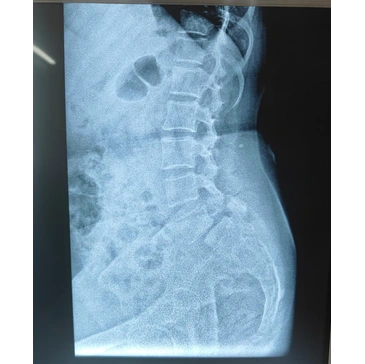
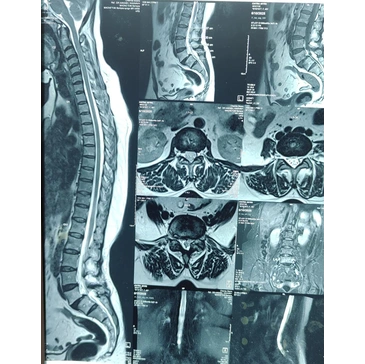
Diagnosis typically includes clinical examination and imaging such as X-ray, MRI, or CT scan.
Is spine surgery always required for back pain?
No. Many cases improve with physiotherapy, medication, and lifestyle changes. Surgery is considered when needed.
How long does recovery take after spine surgery?
Recovery varies by condition and procedure, ranging from a few weeks to longer rehabilitation periods.
Which doctor should I consult for spine pain or nerve problems?
Consult an experienced spine specialist for detailed evaluation and a suitable treatment plan.